Screening & early detection
Cancer Screening and Early Detection
OneWalk Nigeria is committed to organising free cancer screening programmes in communities across Nigeria — working through partnerships with government health facilities, hospitals, healthcare providers and other organisations to bring screening closer to the people who need it most.
Breast cancer screening
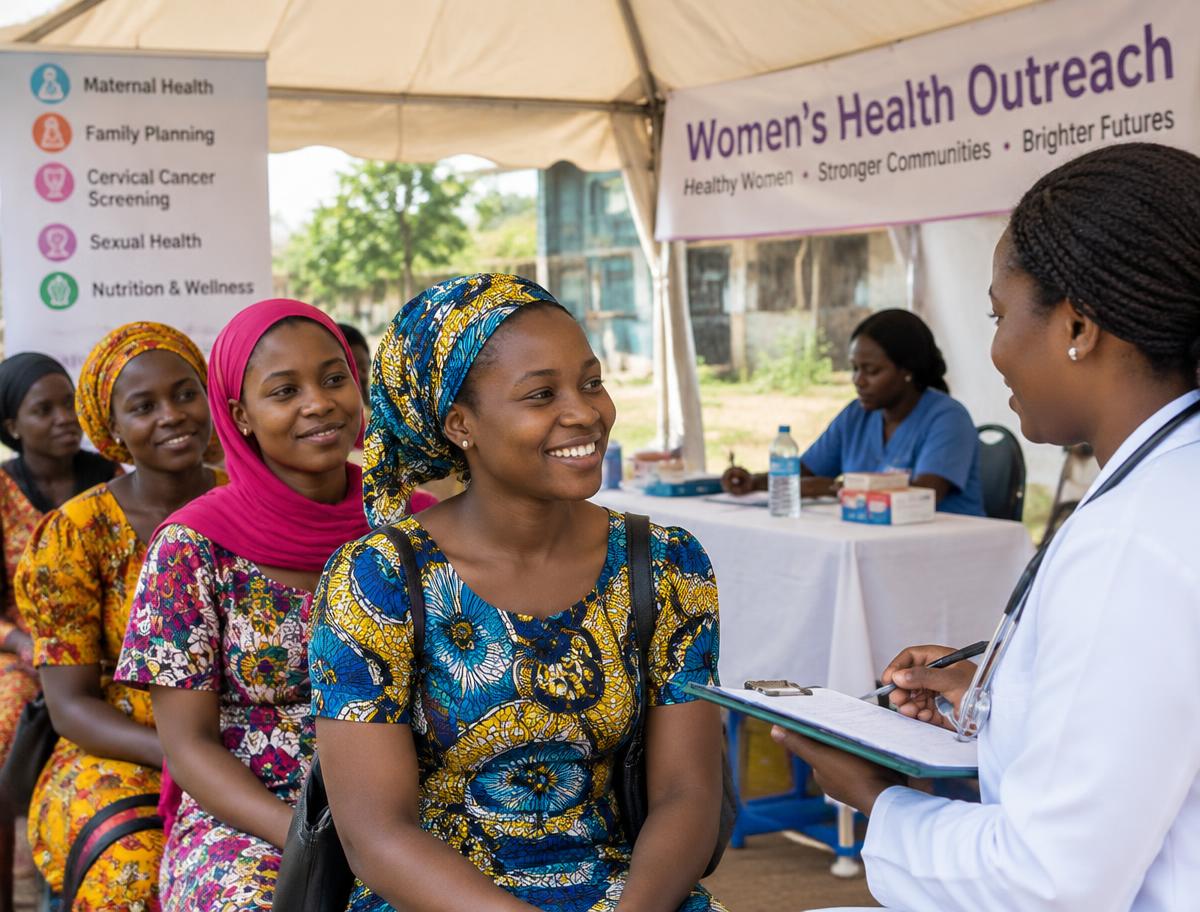
Breast cancer is one of the most common cancers affecting Nigerian women, and it is most treatable when found early. We promote breast health awareness and work with healthcare partners to improve access to appropriate breast screening and clinical assessments — including clinical breast examination and referral for further investigation where needed.
Our awareness programmes teach breast self-awareness and encourage women to seek professional advice promptly when they notice any change.
Cervical cancer screening
Cervical cancer is largely preventable, yet it remains a leading cause of cancer death among Nigerian women. We work to improve access to cervical cancer screening, share clear information about HPV and HPV vaccination, and connect women with appropriate follow-up services through participating health facilities.
Prostate cancer screening
Prostate cancer is the most common cancer among Nigerian men. We encourage men — especially those over 40 or with a family history — to understand prostate health, talk to a qualified healthcare professional and access appropriate screening services, such as PSA testing, where advised.
How to access screening
Our free screening campaigns are delivered through participating government health facilities, hospitals and healthcare providers in host communities. When a campaign is announced, we publish the participating facilities, dates and eligibility guidance on our website and through our community and media partners.
To find upcoming screening campaigns, check our Walks & Programmes page or contact our team.
Important medical information
Not every screening method is appropriate for everyone. Screening eligibility, methods and follow-up care must be guided by qualified healthcare professionals, who consider your age, personal and family history, and other factors.
Screening is not a definitive cancer diagnosis. A screening result — whether reassuring or not — should always be discussed with a qualified healthcare professional, who may recommend further assessment.